
Author: Aleezeh Fatima
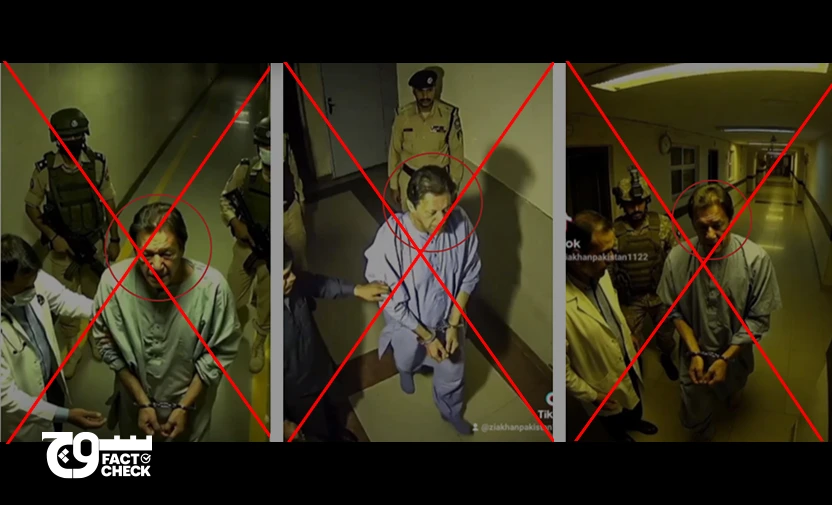
Claim: A viral image shows former Prime Minister and PTI founder Imran Khan being escorted in handcuffs through an apparent hospital corridor.
Fact: The images included in the video are likely digitally manipulated.
On 30 March, a video was shared on TikTok which had multiple visuals of Imran Khan making his way through a hospital corridor handcuffed. The reel included a total of six images, and the username @ziakhan2211.
Fact or Fiction?
Dawn reported that Imran Khan underwent a 20-minute medical procedure on 24 January 2026, after being diagnosed with a condition in his right eye known as central retinal vein occlusion.
He was then taken to PIMS again on 24 February 2026, where he received a follow-up intravitreal injection for the same condition. The visit took place late at night under heightened security, and he was returned to Adiala Jail shortly after the procedure.
Circulated shortly after reports of Imran Khan’s eye condition, the reel appears to imply that the images are from his recent hospital visit.
Soch Fact Check reviewed credible national and international media to verify whether any such images of Imran Khan had been included in coverage from the last few months. No such images were found in credible news reports by mainstream Pakistani or international media outlets.
Moreover, no such images were shared by PTI members, including on official platforms or social media accounts of party representatives.
Soch Fact Check noted the video included another username, @ziakhanpakistan1122. This indicated that the images of Imran Khan were actually screenshots from another TikTok reel shared by this user. A keyword search for this username on TikTok led to the original video.
The clip contains a montage of images which mimic CCTV footage, showing Pakistan Tehreek-e-Insaf’s founder allegedly in handcuffs in what appears to be a hospital. A closer analysis revealed several discrepancies that are typically associated with AI-generated visuals.
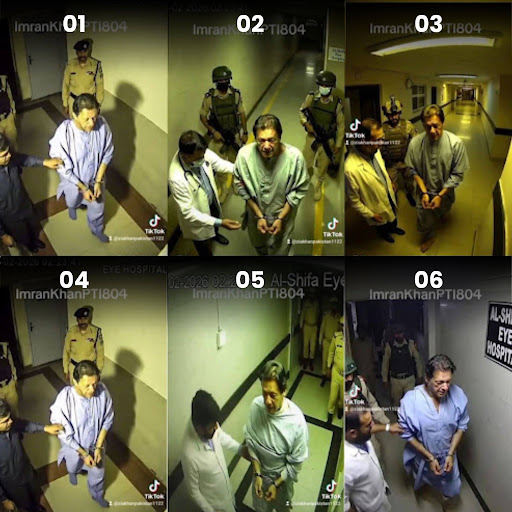
There are a total of six images in the video, two of them are the same, and we took screenshots to verify each image separately.
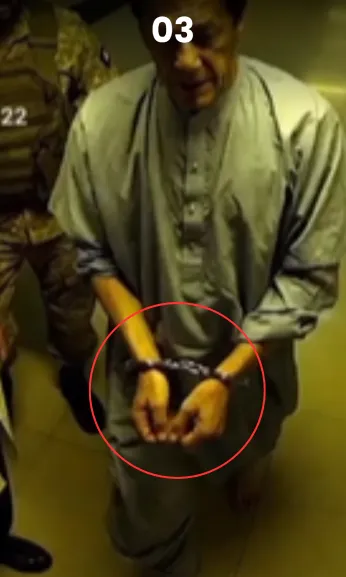
In all of the images, the facial features of Imran Khan appear overly smooth and lack natural skin texture. His expression also appears slightly misaligned, with facial elements not fully corresponding in a realistic manner.
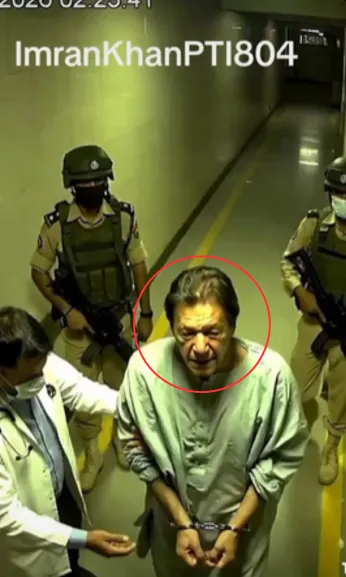
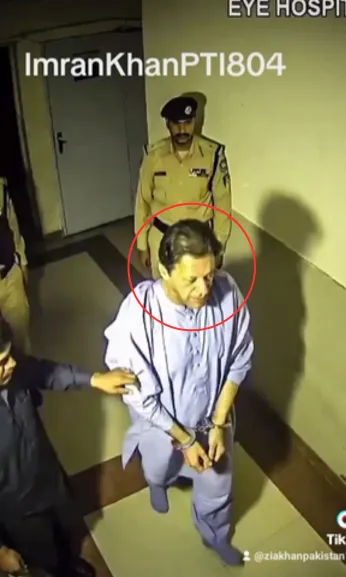
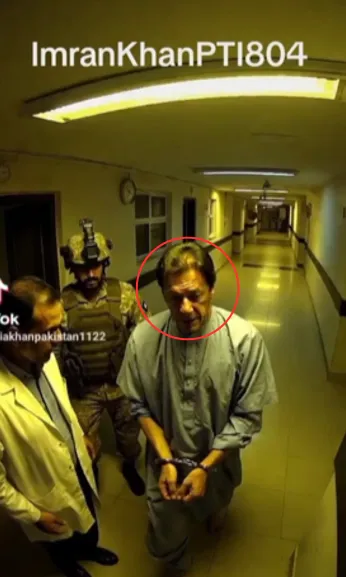
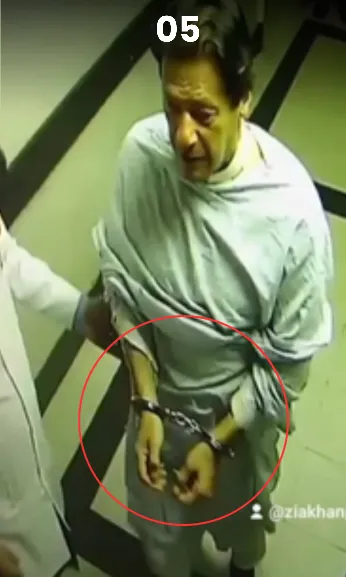
The hands, which are central evidence, show visible distortions, including stiff and poorly defined fingers while the handcuffs appear blurred and seem to blend unnaturally into the hands.
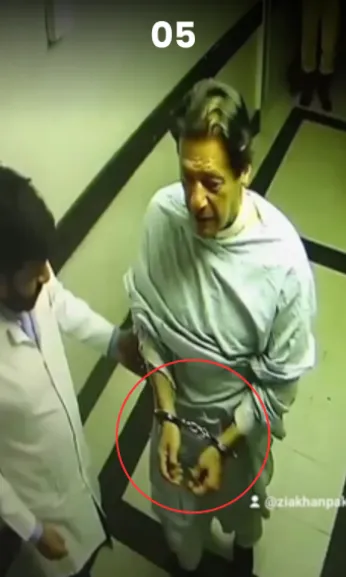
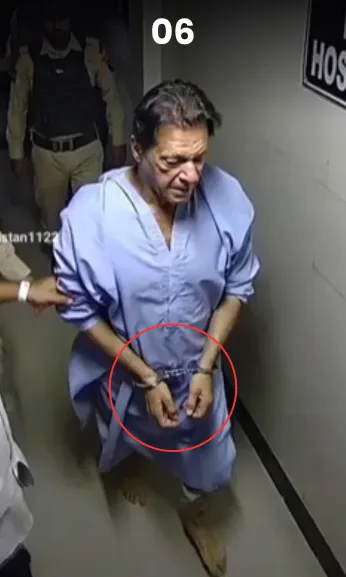
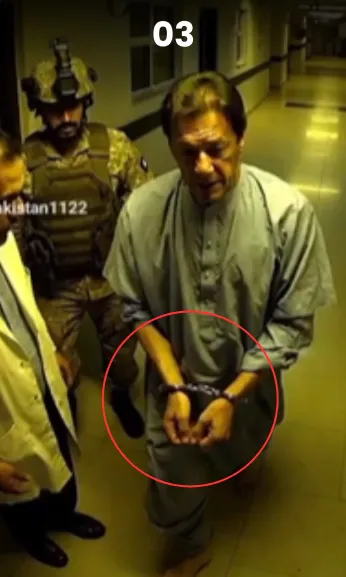
The fingers appear unnaturally stiff and seem to blend into each other, lacking definition. The positioning of the thumbs is also awkward and does not align with how hands naturally rest when restrained.
The handcuffs themselves lack sharp metallic definition and appear to blend into the skin, with no clear edges, reflections or locking mechanism visible. In real footage, especially with indoor lighting, metal objects typically reflect light distinctly, which is missing here.
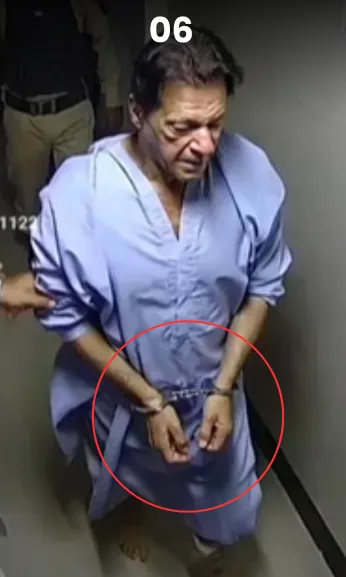
The corridor lighting suggests overhead fluorescent sources, referring to the long tubelights commonly used in hospitals and corridors. Yet, there are no corresponding shadows. For instance, there is no prominent shadow directly beneath the chin or behind the figures, which would be visible in an authentic image. Moreover, the lighting on the faces appears softer and more diffused than the harsh lighting typically produced by CCTV cameras, creating a mismatch between subject illumination and environment. Critically, all six images show different lighting conditions.
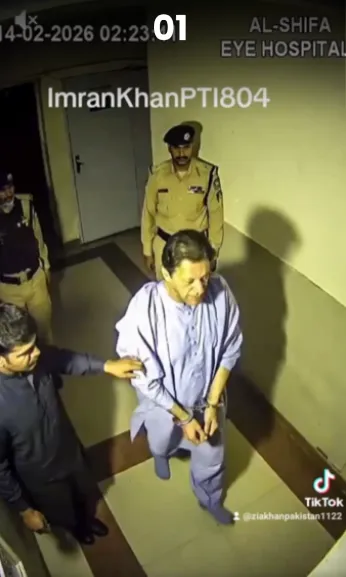
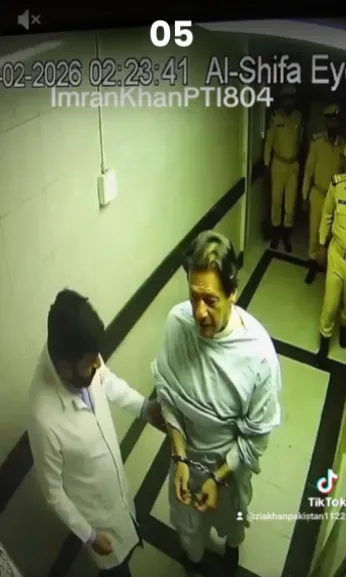
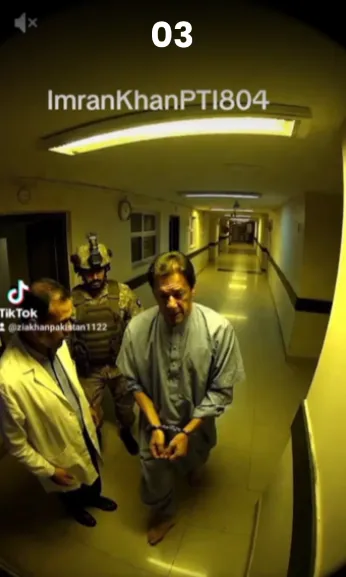
Image no.3 has a strong, uniform yellow tint that resembles a cinematic filter rather than raw surveillance footage. CCTV cameras, especially in well-lit indoor environments like hospital corridors, are designed to maintain relatively neutral colour balance. Even when colour distortion occurs, it tends to vary across the frame rather than appearing as a consistent overlay.
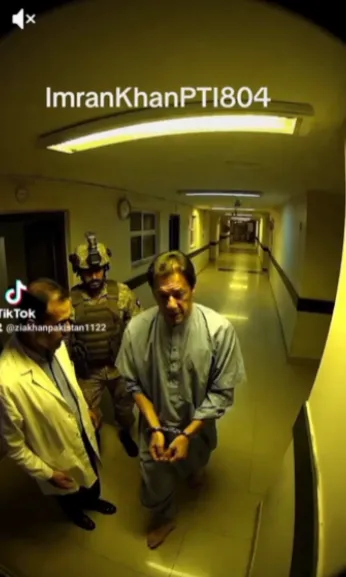
Another major inconsistency lies in the colour profile of the alleged CCTV footage. Images 3 and 5 have a heavy yellow tint that appears unusually stylised and uniform across the frame. While CCTV footage can sometimes show slight colour distortions, this typically happens due to incorrect white balance, lighting issues or camera faults, and not as a consistent cinematic filter applied across multiple frames.
Even with the colour effects, the CCTV footages would look something like this:
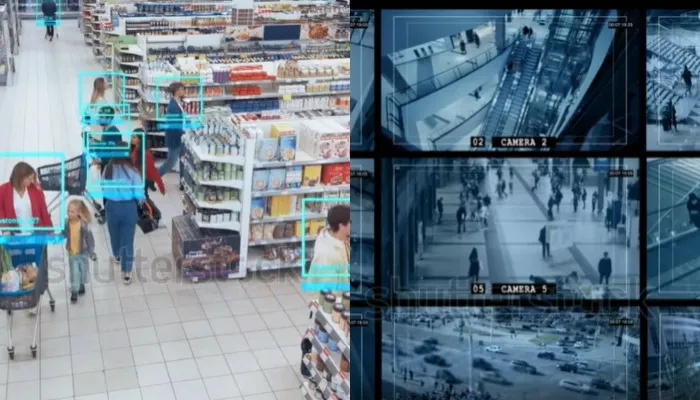
In cases where colour distortion occurs, it is often linked to specific technical problems such as incorrect white balance settings or lighting mismatches, which can produce unnatural hues including yellow or blue tones. However, these distortions are usually inconsistent and depend on environmental factors rather than appearing evenly graded across an entire scene.
Separately, after the analysis, we ran the pictures through Hive Moderation and DeepFake-O-Meter.
Hive indicated that two out of the six images are AI-generated.
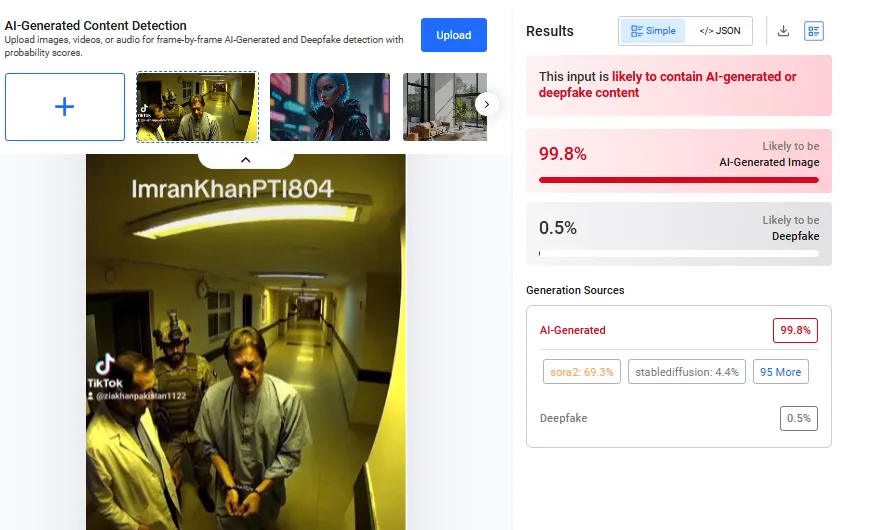
The analysis suggests a 99.8% likelihood that the image no 3 is AI-generated. It added that there’s a 0.5% probability the image is a deepfake.
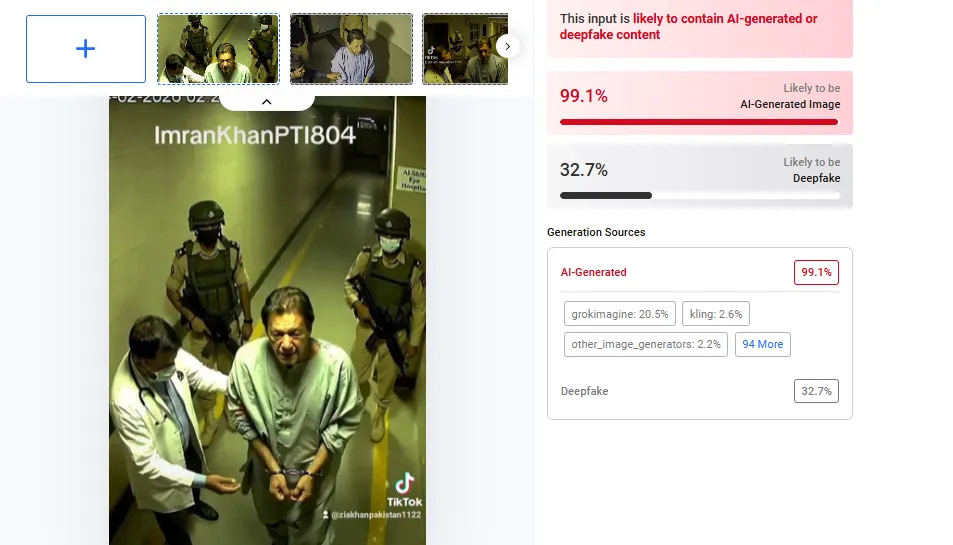
The analysis suggests a 99.1% likelihood that the image no 2 is also AI-generated. It also says that there’s a 32.7% probability the image could be a deepfake.
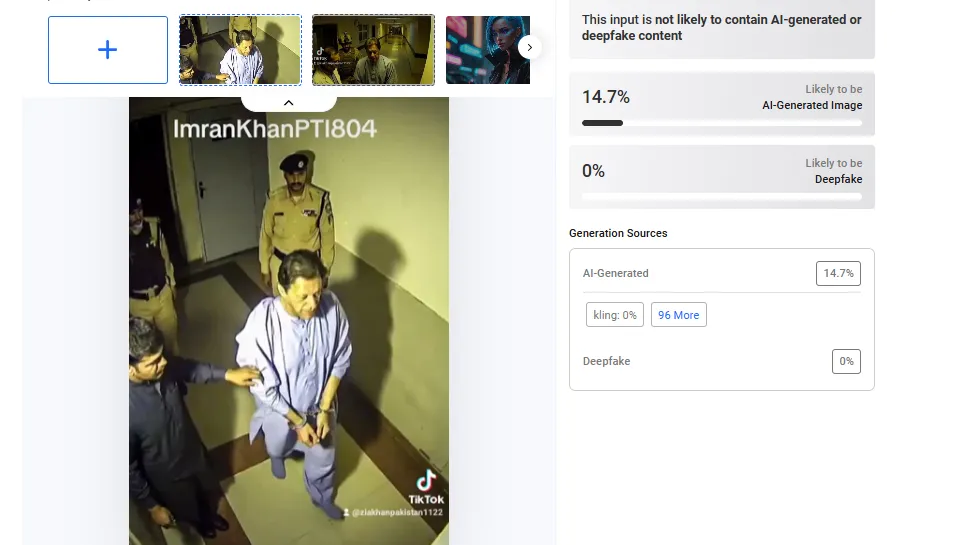
The analysis suggested a 14.7% likelihood that the image no 1 is AI-generated.
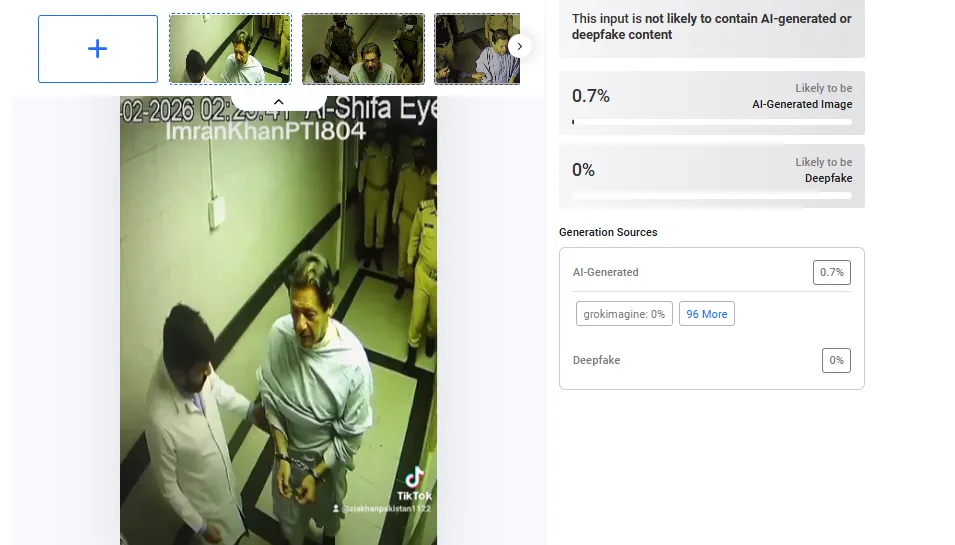
The analysis suggested a 0.7% likelihood that the image no 5 is AI-generated.
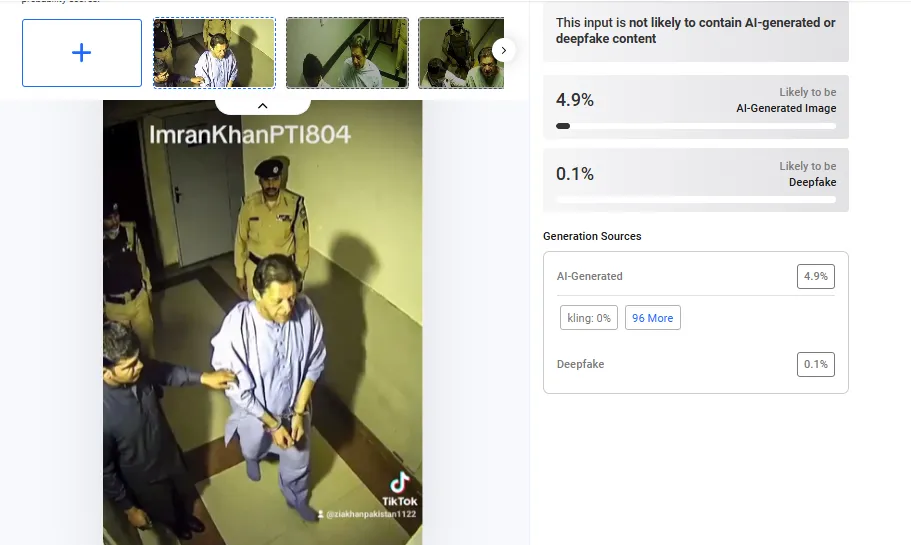
The analysis suggested a 4.9% likelihood that the image no 4, which is exactly the same as image no 2 was AI-generated.
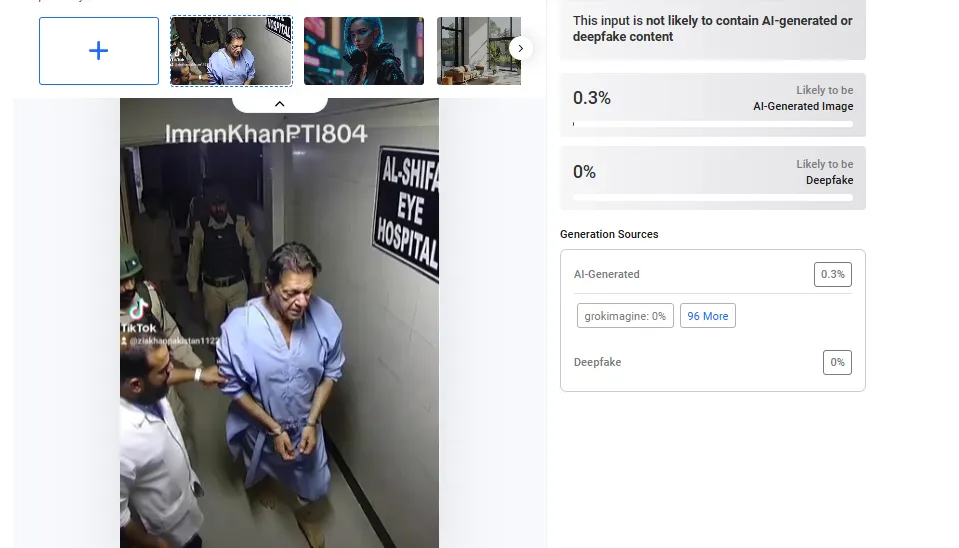
The analysis suggested a 0.3% likelihood that the image no 6 was AI-generated.
In the same order as the video, we ran the six images through DeepFake-o-Meter.
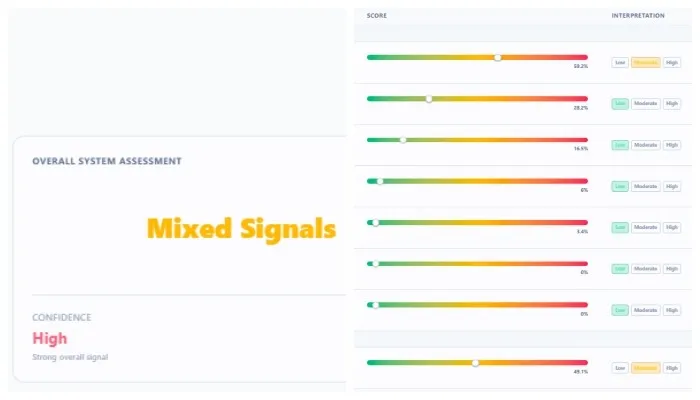
The image no 1 was identified as potentially AI-generated, with the software reporting ‘mixed signals’ regarding its authenticity.
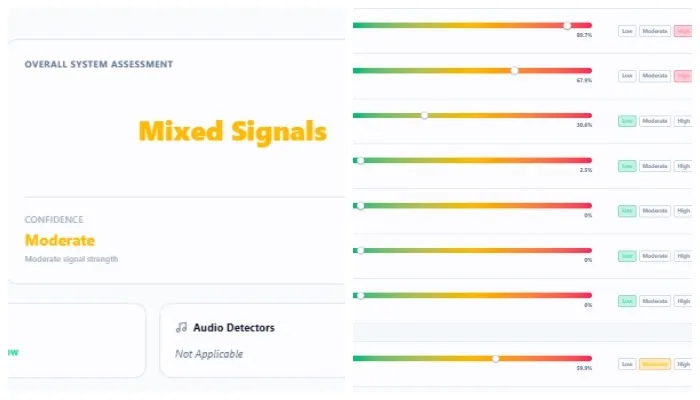
The image no 2 was likewise flagged with ‘mixed signals,’ with the software suggesting a moderate probability that it is fake.
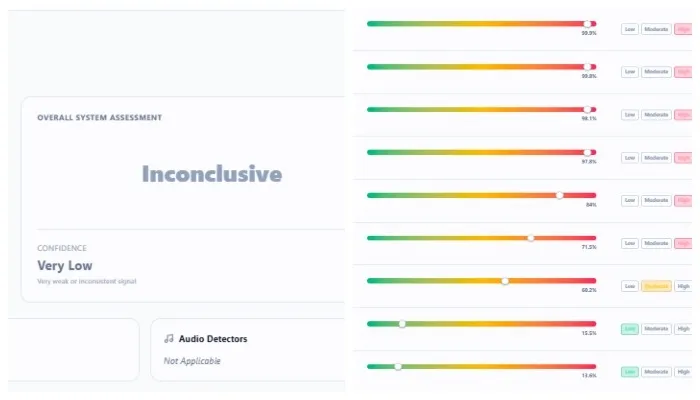
The software returned inconclusive results for the image no 3, unable to confirm whether it was AI-generated.
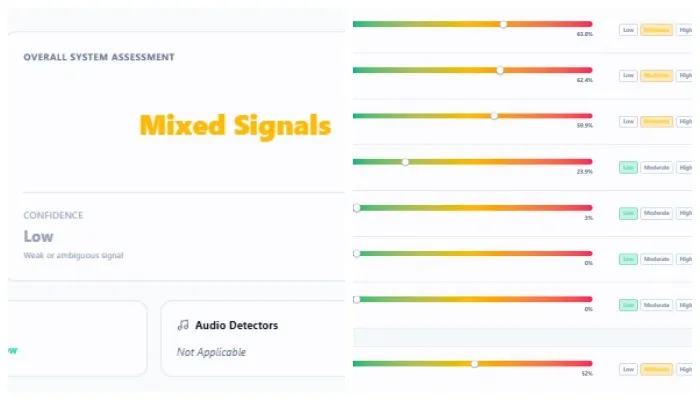
The image no 4 also showed mixed signals, though the software indicated a low likelihood of it being AI-generated.
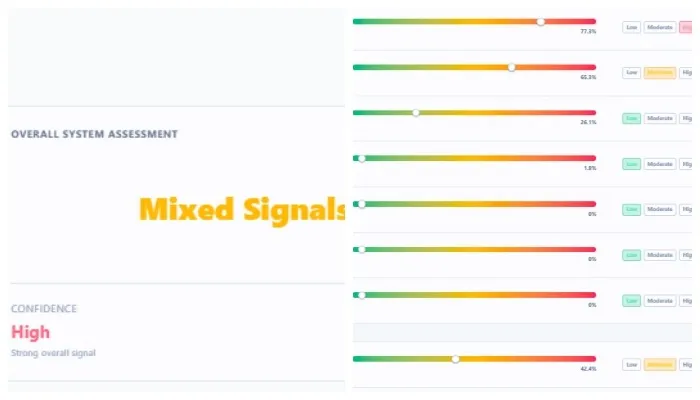
The image no 5 also yielded mixed results, with a high likelihood of being AI-generated.
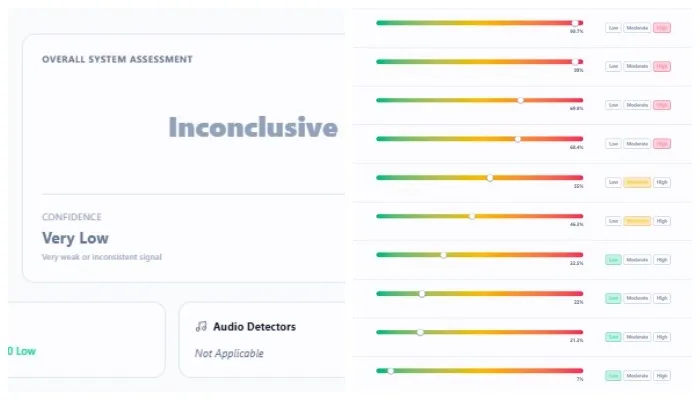
The image no 6 returned inconclusive results with a low likelihood of being AI-generated.
As two of the images are likely AI-generated, and the others bare signs of manipulation, along with the lack of credible reporting, we conclude that the claim is false.
Virality
The viral clip was shared here, here, here, and here on Facebook.
Conclusion: The viral images claiming to show Imran Khan in handcuffs are not authentic and are likely digitally manipulated.
Background image in cover photo:
To appeal against our fact-check, please send an email to appeals@sochfactcheck.com